
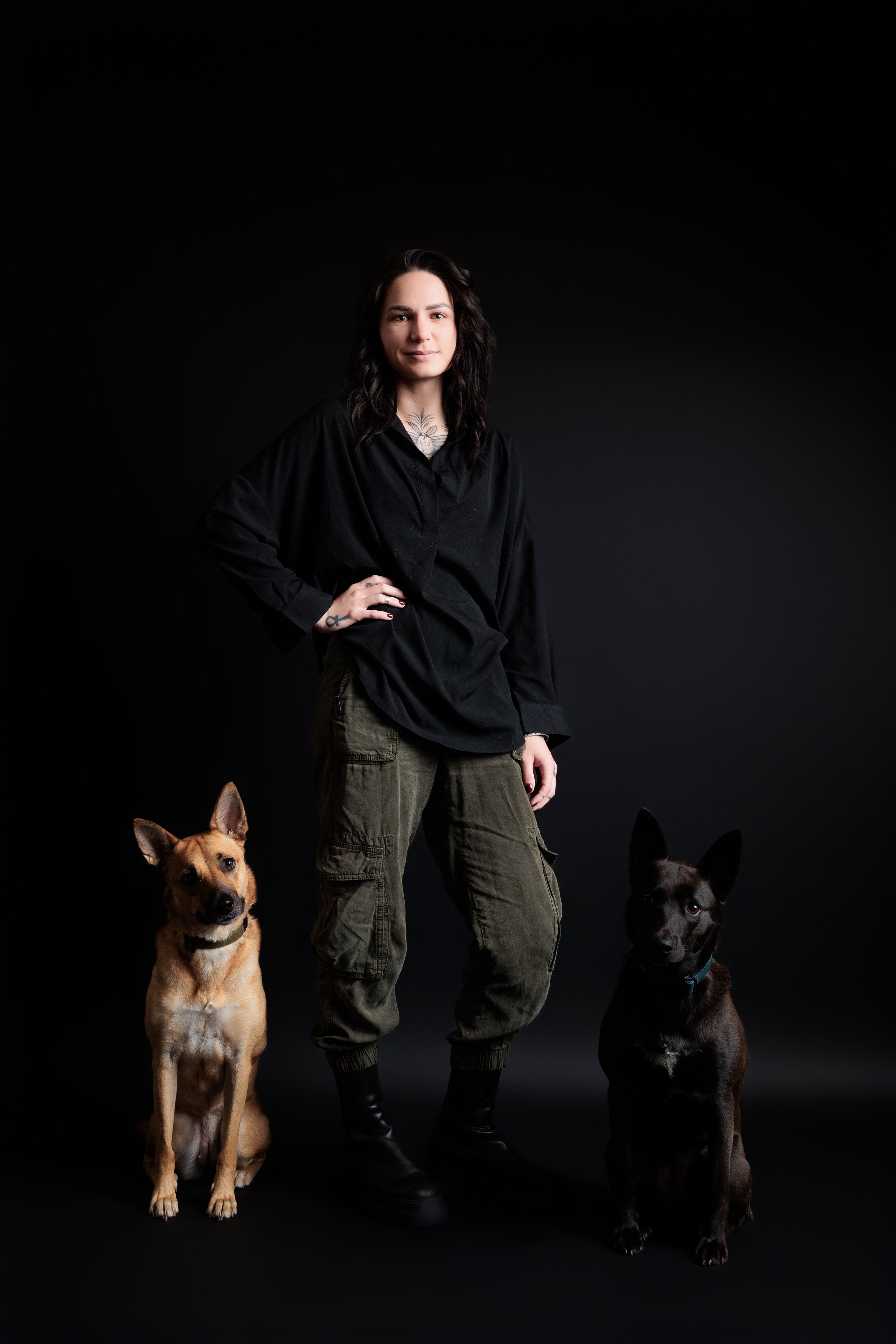
helping dogs
navigate a human-first world

Effective, long-lasting and sustainable dog training crafted from a comprehensive picture of your dog, their life, and your engagement with the dog.
What we can help with
Obedience
Separation Anxiety
Aggression
Behavior Modification
Reactivity
Obedience Separation Anxiety Aggression Behavior Modification Reactivity
There are no bad dogs. There are dogs with bad habits. Just like with humans, the more a dog does something, the more engrained they become in that behavior, making it more like muscle memory for future use.
In order to break bad habits, we first have to break the chain reaction that’s happening subconsciously. And in order to do that, we need to bring the attention back to the conscious.
How do we do this with dogs?
In order to break the negative behavior “feedback loop” you have to get their attention. But that can be a lot harder than it sounds when a dog is losing its mind at another dog. We start with confusion — putting your dog in a new situation which requires it to think. And then we repeat this (many times), adding in new elements that may temporarily make your dog uncomfortable. And each time, the goal is very simple: we ask your dog to do something small. Sometimes, it’s as small as a single step forward while wearing a weighted harness. We do this because if your dog can learn to make decisions through discomfort, they are going to be able to stay more conscious and aware when they encounter stressors.
We hear many people say, “my dog is great in the house, but they do all these things when we’re on walks.” Yes, your dog has learned how to listen to you in the comfort of your home environment. But when they are faced with new scents, sounds, and other stimulus, they are too distracted to listen. That’s where we can help.
We will teach your dog to not only behave better in your predicted situations, but we will change the way they respond to anything new or confusing, so they can better adapt to any situation.
4 steps for success
Understanding your goals and perspective
Observing and creating a holistic picture of your dog’s behavior
What works for your dog, their needs, and their learning style
Consistency of rehearsal and in varied environments
Our goal is to help your dog learn how to better cope with stressors so that they can adapt, learn, and expand their positive experiences. We want every dog to live their best life with their owners.
What People Are Saying
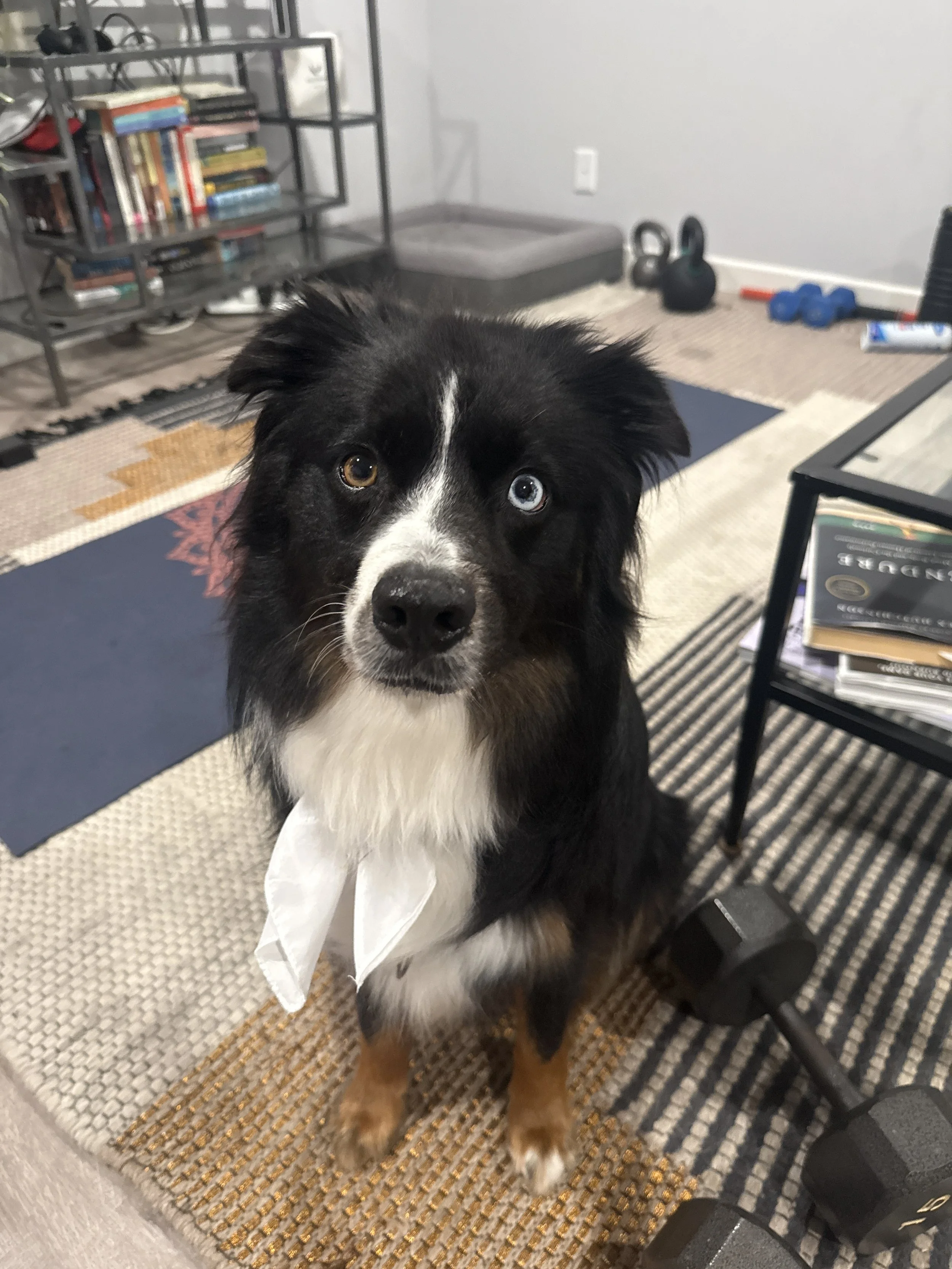
I’ve had such a positive experience working with Nyki! My dog is very intelligent, and generally well-behaved but stubborn, and a bit reactive/ anxious. Nyki has such a strong understanding of canine behavior, and her approach has really helped bring out the best in him.
With her training sessions and overnight stays, topped with the structured homework she provided me, he’s gained so much more focus and calmness. He’s less on-edge when other dogs are walking by.
One of the biggest improvements I’ve noticed is at his daycare: the staff mentioned he no longer guards the gate or feels the need to examine every new dog that comes in, which is a huge relief as he used to pick on new dogs/ puppies. I’m so grateful for Nyki’s guidance and highly recommend her to anyone looking for a trainer who is knowledgeable, patient, and effective.
—Loki’s mom
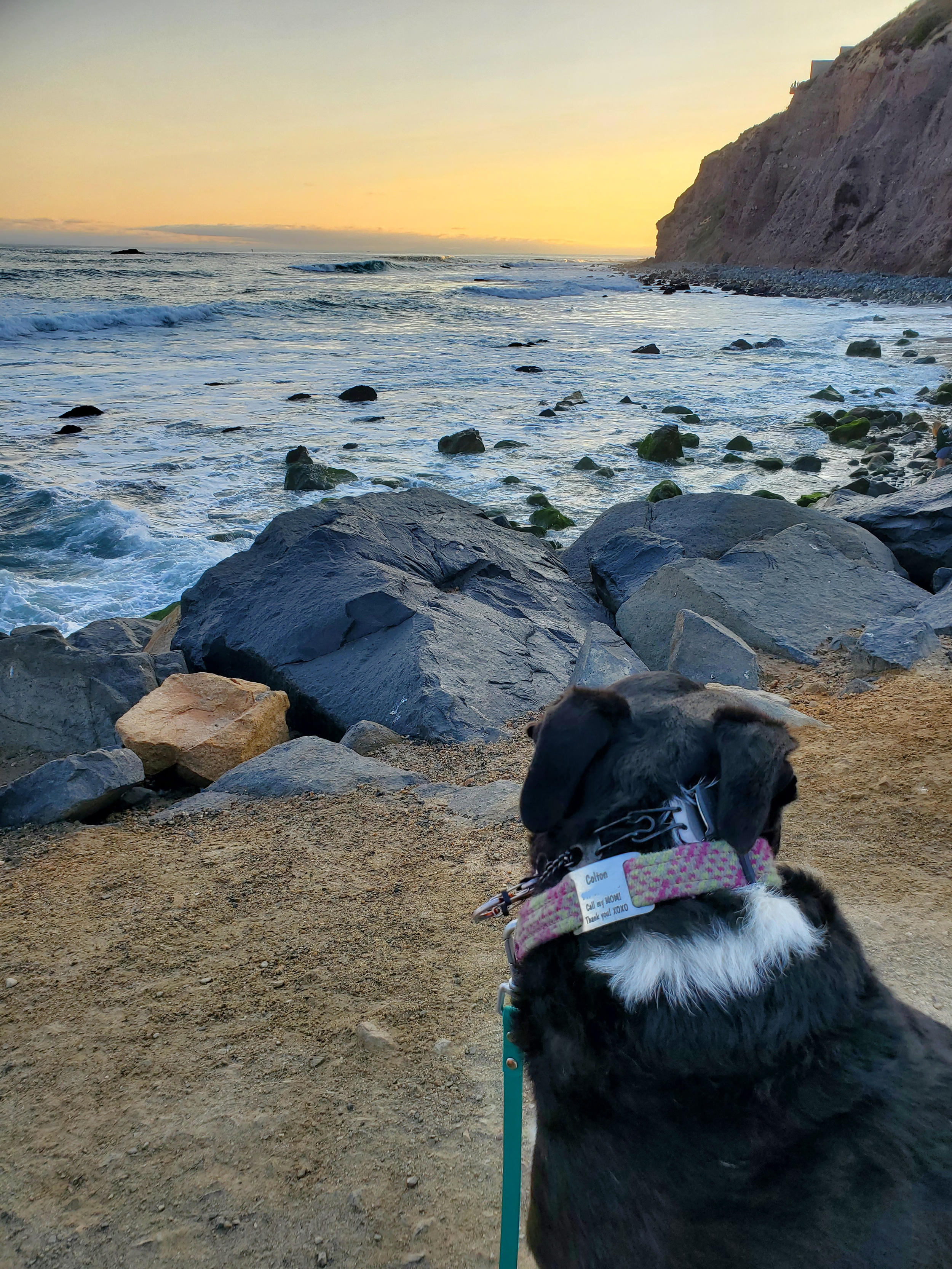
My dog Colton is 7 years old. Living with a lot of fear, anxiety, and trauma. Over the years, I have been searching for the right trainer to help guide me so I can help Colton. Nyki has so much knowledge, patience, and the desire to see results/changes. She was able to give me back stories on why things are happening and step-by-step directions to teach Colton. Plus, I have learned so much about dogs. We have been working together for about 3 months. Nyki is a very caring, passionate & very responsive to my questions. Colton is now learning not to let fear & anxiety rule his life. How Nyki has trained me to handle my dog has changed both Colton's and my life for the health of my dog. I can't thank her enough for the dedication that she invested in us both. Don't get me wrong, it's still daily work and training. Colton is now a more confident dog. Puts a smile on my face every day with the freedom Colton has to live life.
—Colton’s mom
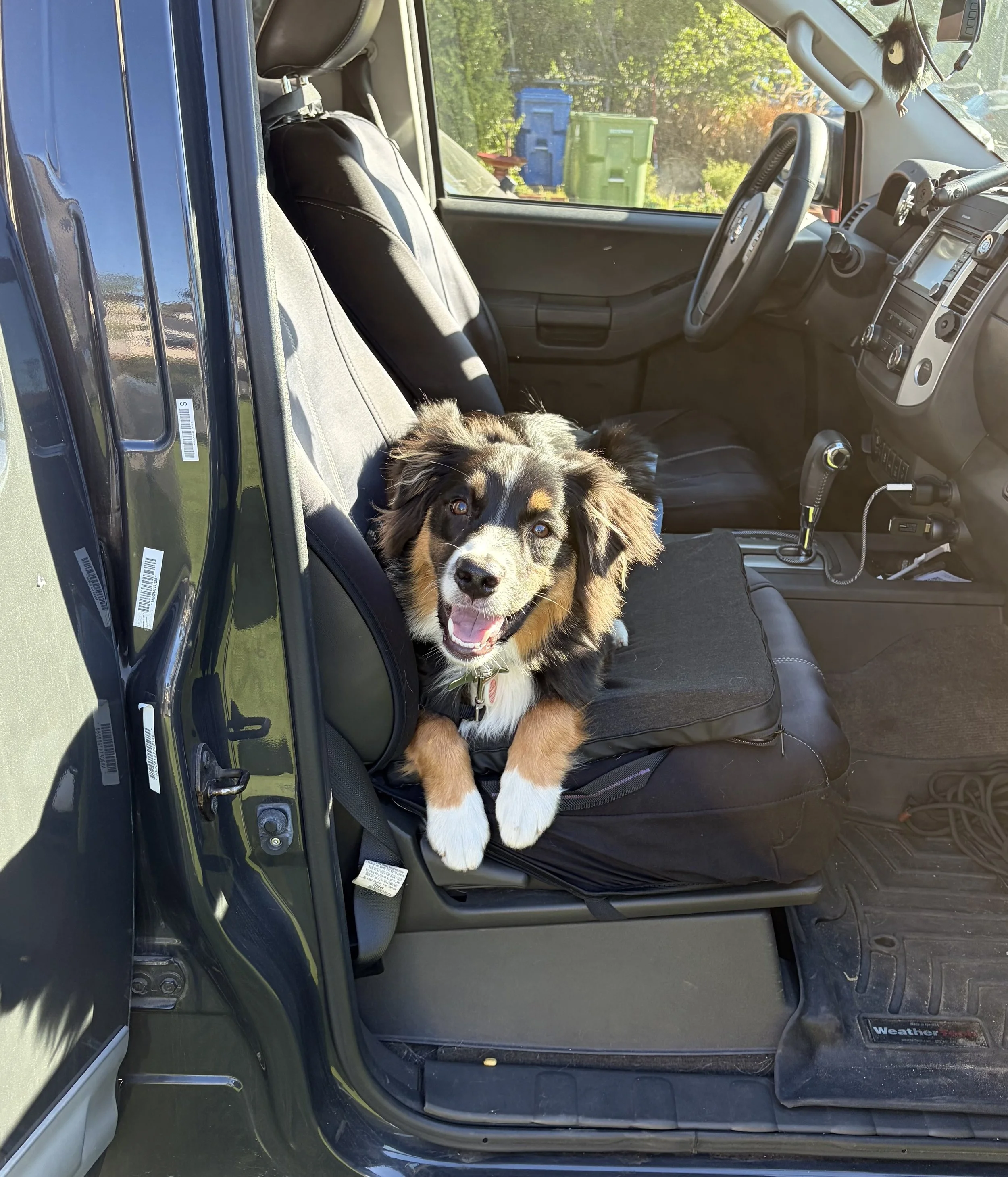
My six-month-old Australian Shepherd completed a one-week board-and-train program with Nyki, and the difference was noticeable immediately upon his return.
He was calmer during play with my other dogs, responded to my commands (where he had previously ignored me completely), could be placed in his crate in another room without constant barking, and was able to walk at a heel without pulling on the leash.
What sets Nyki apart is that she doesn't just train your dog—she teaches you how to train your dog. This has been a game changer for me. The knowledge and skills Nyki shared have not only helped my puppy but have also transferred to my four other dogs.
Nyki provided a thorough assessment along with clear guidance on how to continue working with my puppy as he matures. She is incredibly accessible, generous with her time, and has an impressive depth of knowledge about dog behavior and training.
Because of my experience with Nyki, I have a better relationship with all of my dogs. Her training has been worth every penny, and we will absolutely be returning for additional training in the future.
I highly recommend Nyki to anyone looking for a knowledgeable, effective, and supportive dog trainer.—Teddy’s mom

Highly recommend training with Nyki! She is extremely knowledgeable and able to identify the needs of each dog with ease. Her training plans make sense, and show results. One of few people I trust boarding my tiny dogs safely.
She is very willing to train your dog and involve you in order to keep up your dogs progress once they return home. She explains everything in detail, such as how the methods she uses apply to your dog and why they work. Best of all, my pups love her!—Brook & Roanie's mom
FAQs
-
We don’t like labels. If you’re focusing on labels like “force free” or “aversive control”, you’re not listening to the dog. A training plan should be unique for each dog, taking into account their behaviors, environment, and learning style. So rather than labeling, we’re going to observe and dog and let their behavior tell us what will work best for them. There’s no one-size-fits-all in dog training! But we do use a science-backed approach. With deep understanding of canine neurobiology and psychology, we adapt to the dog’s behavior to progress our training while building a foundation for longterm success. We focus a lot on giving dogs the autonomy to make their own decisions, while guiding them to the more positive decisions. Instead of lunging and barking at another passing dog, lets heel, sit, and make eye contact with our handler! We believe this helps your dog be able to better manage themselves as they navigate new situations.
-
All kinds, big or small! We believe that all dogs deserve training — both so they can experience the world with less stress, and for safety. There’s nothing more dangerous than an uncontrollable dog when facing an emergency or risk to you or your dog’s safety. It’s less about the dog’s physical appearance (size or breed) and more about what type of learning works best for your dog.
-
Each dog is different. After your training plan is developed and we start working with your dog, we will assess their learning style. Just like humans, dogs have different learning styles and we’re experienced with adapting programs for different kinds of dogs. This, in combination with your dogs’ strengths and weaknesses, will help us provide better estimates for how long training will take.
-
Not every tool is right for every dog, and that definitely goes for e-collars. E-collars should be used in the right situations, for the right dog. Most importantly because incorrect use of an e-collar can cause damage to your dog’s psychology, make behavior worse, or make training harder. That being said, there are more extreme cases of reactivity, aggression, or even hyper fixation, that are not possible to correct without remote physical stimulus. The most important aspect of e-collars is the correct use when applied. The best approach is to try other training tactics first, then add in the e-collar if it provides necessary safety measures, or if other methods are unsuccessful.